The Minority in Parliament has strongly opposed the Public Utilities Regulatory Commission’s (PURC) latest upward adjustment of electricity and water tariffs, describing the decision as unjustified and an additional burden on struggling households and businesses.
The PURC on Monday announced a 3.49 percent increase in electricity tariffs and a 0.85 percent rise in water tariffs under its third-quarter tariff review, with the new rates set to take effect from July 1, 2026.
According to the Commission, the adjustments were made in line with its mandate to undertake quarterly reviews that reflect changes in key operational and economic indicators affecting utility service providers.
However, the Minority argues that prevailing conditions within the utility sector do not warrant any increase in tariffs.
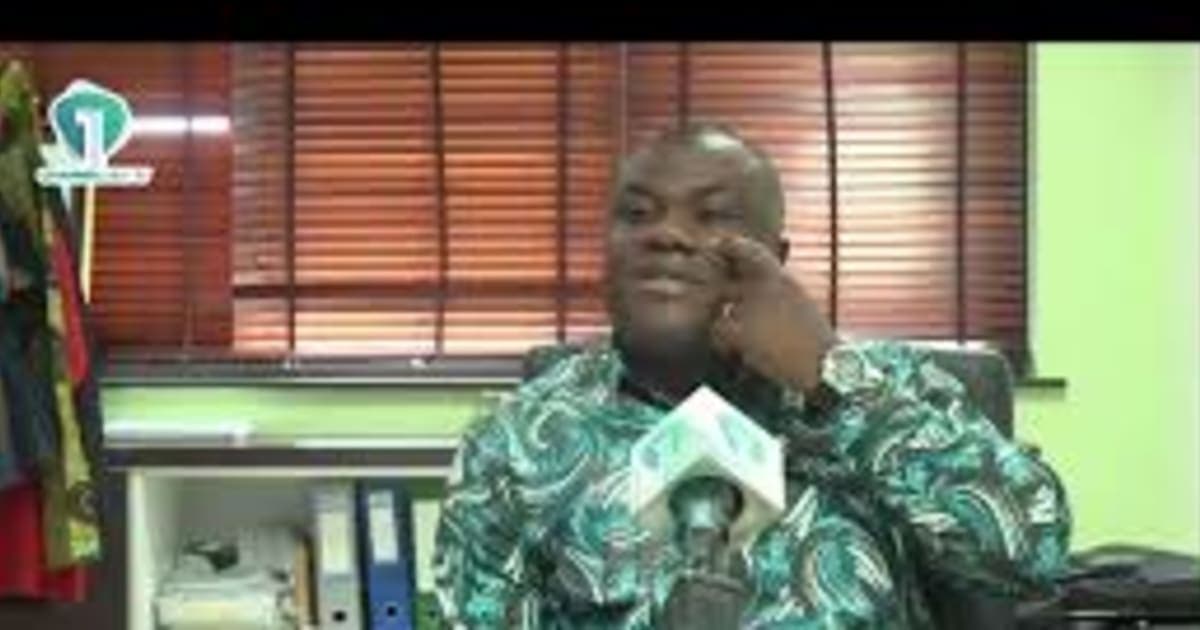
Speaking to Citi News, the Deputy Ranking Member on Parliament’s Energy Committee, Collins Adomako-Mensah, questioned the basis for the tariff adjustment, insisting that recent improvements in the sector should have resulted in a reduction rather than an increase.
He revealed that the Minority had expected utility tariffs to be reduced by approximately six percent.
“How does just a change of exchange rate of 0.2% push you to increase electricity by close to 4%? It just does not add up. And I’m surprised that PURC is doing this to us,” Mr. Adomako-Mensah said.
He further noted that electricity tariffs have increased significantly over the past year, placing excessive pressure on consumers.
“Cumulatively, they’ve increased electricity by 31.69% from January 2025 to date. It was just the first and second quarters of this year that they reduced it by 4%. Even that, we challenged that. I’m surprised that PURC is doing this to the Ghanaian people. This particular increment, based on the figures that we’ve seen, does not make mathematical sense to me at all,” he added.
The Minority also questioned the rationale behind the quarterly tariff review mechanism, arguing that the latest adjustment contradicts previous explanations that frequent utility tariff increases were tied to conditions under Ghana’s programme with the International Monetary Fund (IMF), negotiated during the administration of former President Nana Addo Dankwa Akufo-Addo.
According to the caucus, the latest increment raises concerns about transparency in the tariff-setting process and threatens to worsen the cost-of-living challenges facing Ghanaians.
The new tariffs will take effect nationwide from July 1, 2026.