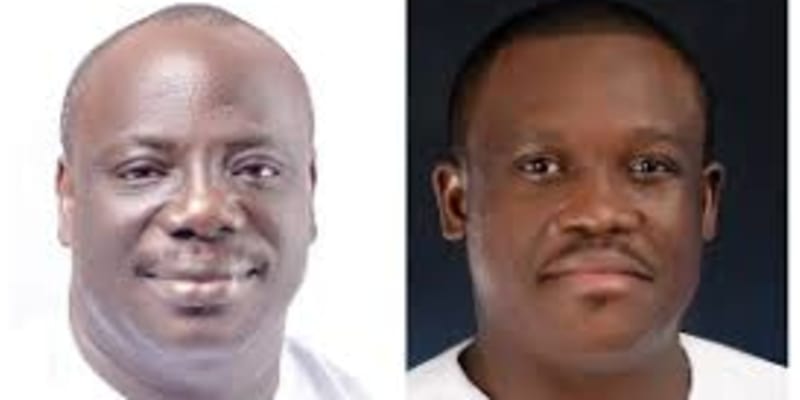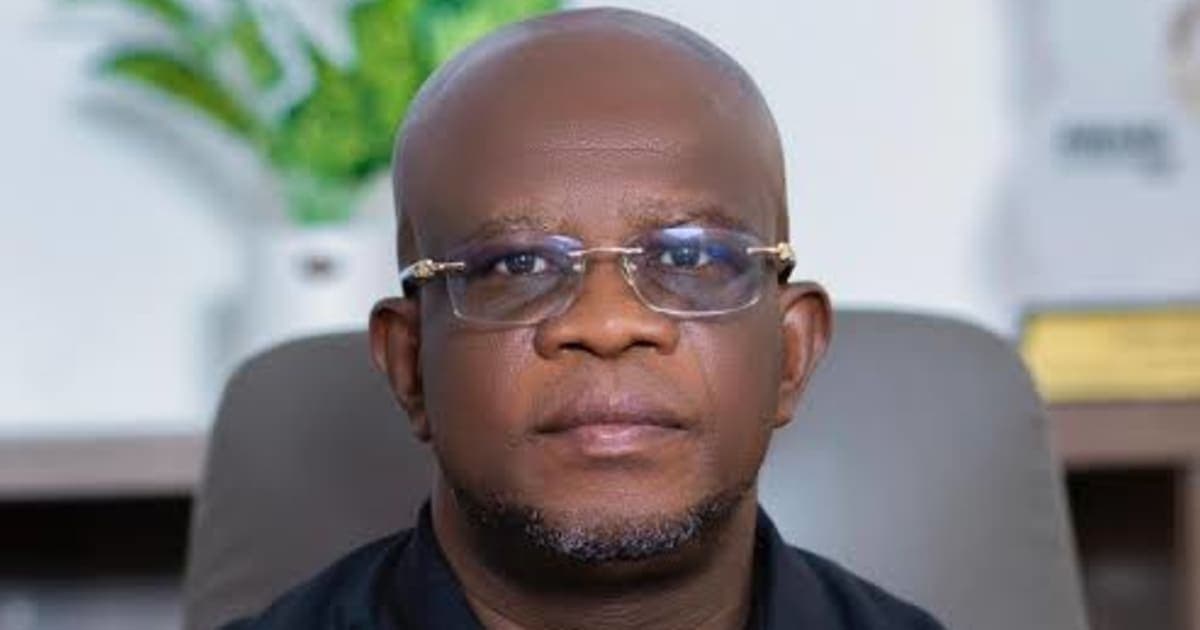
Dr. Michael Kpesa Whyte, CEO of State Interests and Governnace Authority, has publicly declined a “Best CEO of the Year” award after discovering that recipients were expected to pay substantial sums to participate in the award ceremony and has highly critised the government for organzing such an awards program raising concerns about the credibility of some recognition schemes operating in the country.
In a strongly worded statement, Dr. Kpesa Whyte disclosed that earlier this month he received a letter from an organization known as the “Ghana Ministers of State Excellence Honours,” informing him that he had been selected as the recipient of the “Best CEO of the Year” award and inviting him to attend a ceremony at the La Palm Royal Beach Hotel.
However, he said several questions immediately arose regarding the award’s legitimacy, including the criteria used for selection, the assessment process, the composition of the judging panel, and the period the award covered.
“I did not know which year the award covered. I did not know the criteria used for the assessment. I did not know the composition of the assessment panel,” he stated.
According to him, inquiries made by his office revealed that attendance at the event was tied to financial commitments. Organizers reportedly offered recipients two options: a sponsorship package worth GH¢50,000 or the purchase of a table for eight guests at GH¢25,000.
Dr. Kpesa Whyte said he subsequently declined the invitation.
He argued that genuine recognition should be based on merit, transparent evaluation, measurable performance, and public impact rather than financial contributions from award recipients.
“Once payment becomes the condition for visibility, attendance or receipt of honour, the exercise risks losing its moral authority. It begins to look less like an award and more like a pay-to-be-recognised arrangement,” he said.
The CEO cautioned public appointees, heads of institutions, and civil servants against associating themselves with award schemes that require sponsorship payments or table purchases as a prerequisite for recognition.
He stressed that public resources should not be used to finance what he described as “ceremonies of personal glorification” at a time when the country faces pressing development challenges.
“Public funds are not meant to purchase applause. They are not meant to finance vanity. They are not meant to manufacture prestige for office holders,” he stated.
While acknowledging that awards can serve as important tools for encouraging excellence and recognizing achievement, he maintained that such honours must be backed by credible assessment processes and transparent selection procedures.
He further urged public institutions to conduct due diligence before participating in award programmes, asking critical questions about the credibility of organisers, assessment methodologies, nomination procedures, composition of judging panels, and the role of financial contributions in the process.
He argued that the true measure of public service lies not in plaques, titles, or ceremonial recognition, but in the ability of leaders to improve institutions, deliver quality public services, and positively impact citizens’ lives.
“The real award is not a plaque handed over at a hotel ceremony. The real award is a public institution that works better because of one’s leadership,” he said.
Concluding his remarks, Dr. Kpesah Whyte called for a renewed culture of discipline, modesty, and service within public administration, emphasizing that history would judge leaders by the results they deliver rather than the awards they collect.
“History will not remember us for the number of awards we collected. It will remember us for whether we used the opportunity of office to make Ghana better. That is the only honour worth pursuing,” he said.