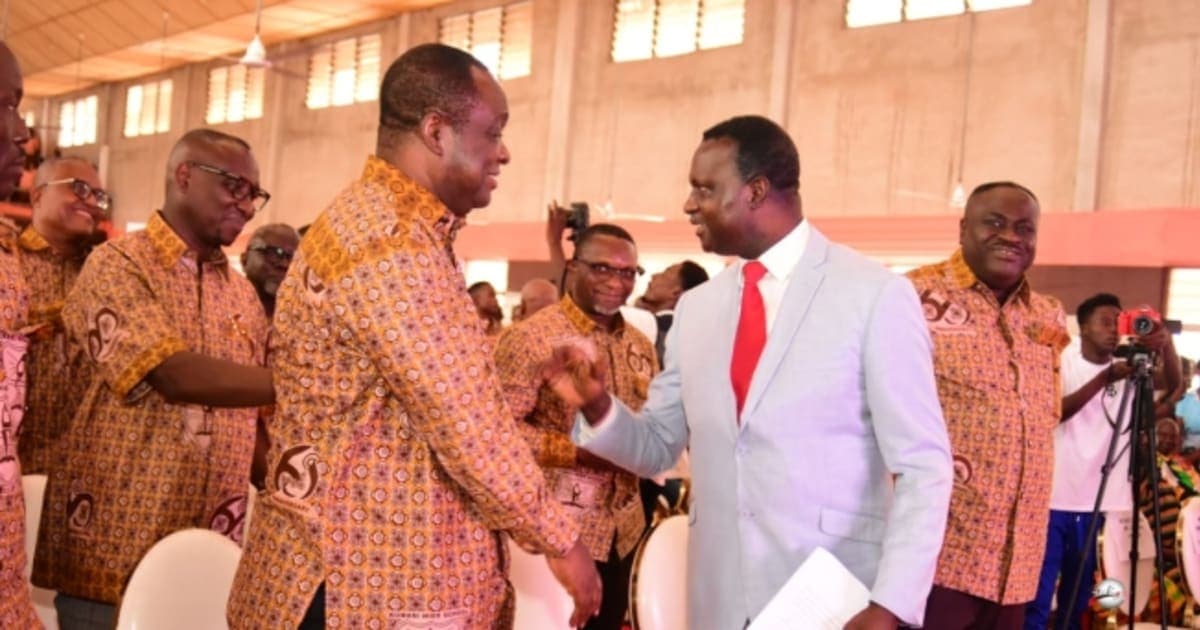
Governments with substantial educational investments are in a better position to compete in the increasingly knowledge-driven global economy. As a result, it is a vital function of any government to ensure that literacy is proliferated across the region they govern, especially amongst the country’s youth. This in the case of Ghana, can be attributed to the STEM education, educational infrastructure nationwide as well as the performance of Free SHS students in the West African Secondary School certificate Examination (WASSCE).
The United Nations Educational, Scientific, and Cultural Organization (UNESCO) estimates a $97 billion yearly financial deficit for education between 2023 and 2030 in low- and lower-middle-income nations. African countries generate around $70 billion each year on average.