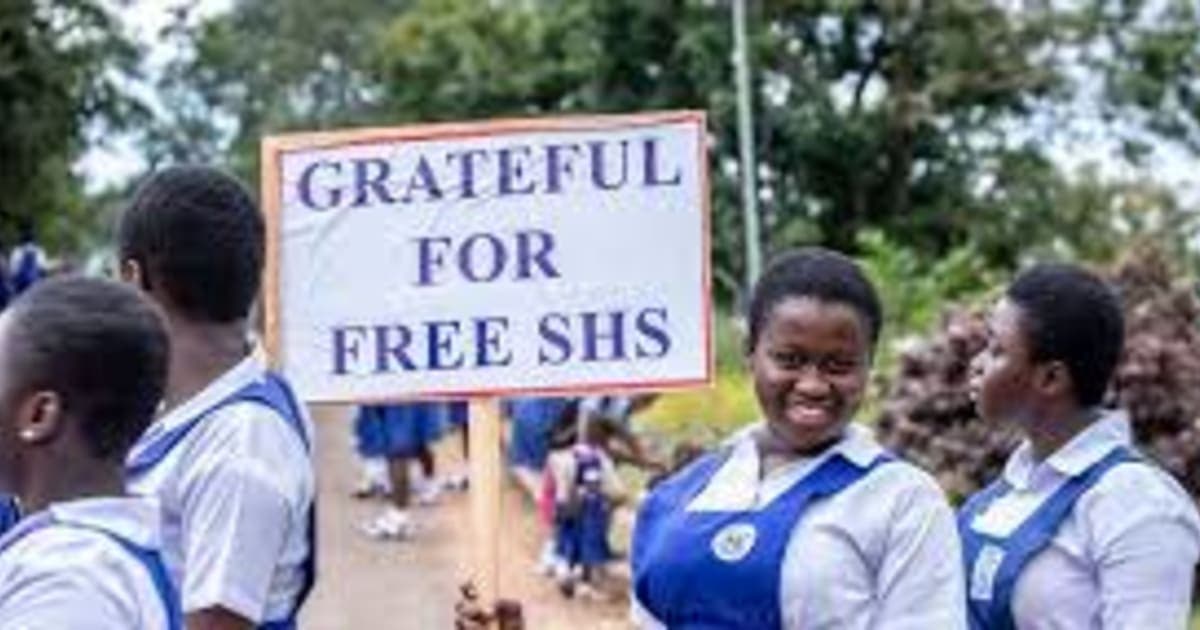
The Ghana National Association of Private Schools (GNAPS) and the Ghana National Council of Private Schools (GNACOPS) have thrown their full support behind the Free Senior High School (Free SHS) policy, describing it as a critical social intervention that has expanded access to secondary education while calling for deeper collaboration between government and private institutions to sustain its success.
The endorsement follows a significant policy shift by the Ministry of Education, which has expanded the Free SHS programme to include 60 private senior high schools in a bid to ease congestion in public institutions and improve the overall quality of education delivery.
The move marks a new chapter in the relationship between the government and private education providers, with stakeholders hailing it as a practical solution to the long-standing challenge of overcrowding in public schools.
Under the arrangement, selected private institutions, including St. Andrews Senior High School, Ideal College and Emphil Senior High School, are expected to accommodate overflow students who would otherwise strain capacity in public schools.
Education sector observers believe the increased use of existing private school infrastructure could also accelerate efforts to phase out the double-track system, which was introduced to manage rising enrolment under the Free SHS programme but has faced criticism for reducing instructional time and disrupting academic schedules.
The latest collaboration represents a notable turnaround for private schools, many of which experienced sharp declines in enrolment following the introduction of Free SHS in 2017. The migration of students to tuition-free public schools forced several private institutions to scale down operations, while others shut their doors entirely due to dwindling admissions.
GNAPS and GNACOPS argue that integrating private schools into the Free SHS framework will not only optimise available educational infrastructure but also strengthen the country’s capacity to deliver quality secondary education without overburdening public facilities.
The associations have also renewed calls for reforms to the school placement process, urging the government to eliminate what they describe as discriminatory priority selection policies that disadvantage students from private basic schools during admissions into senior high schools.
According to the groups, ensuring equal opportunities for all students, regardless of whether they attended public or private junior high schools, will promote fairness and reinforce the inclusive objectives of the Free SHS policy.
They maintain that sustained collaboration between government and private education providers is essential to expanding access, improving learning conditions and safeguarding the long-term sustainability of one of Ghana’s flagship education initiatives.