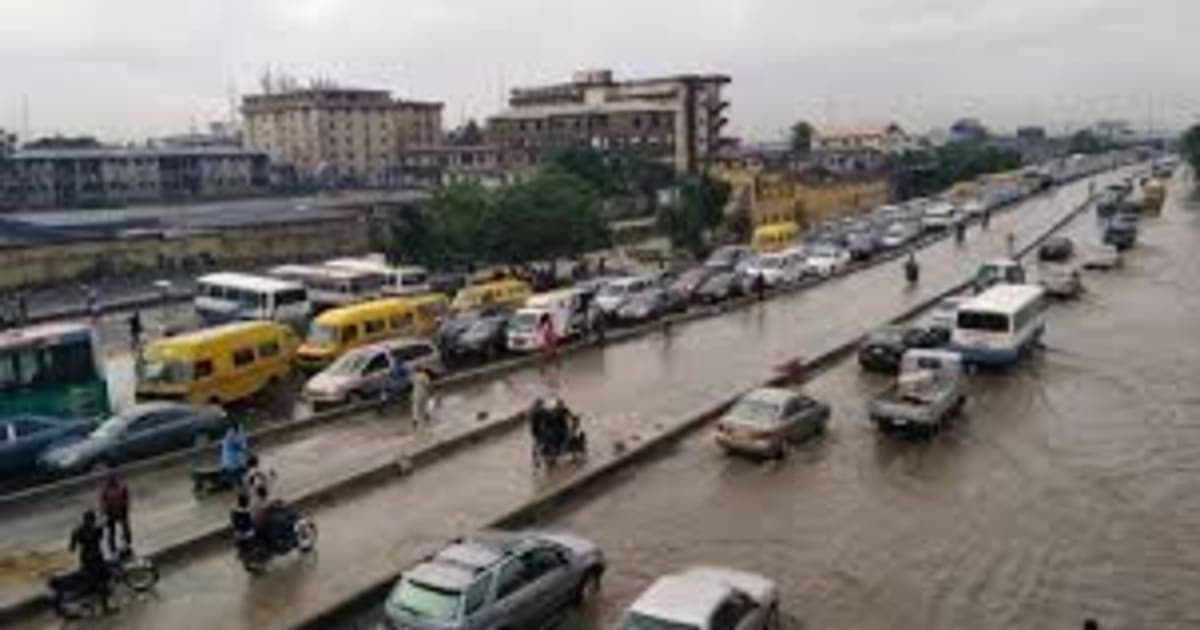
Heavy rainfall on Wednesday evening, June 3, caused flooding in several parts of Accra, disrupting traffic flow and leaving commuters stranded as key roads and transport links became inundated with water.
Among the hardest-hit areas was the Ashaiman Underbridge, a critical transport corridor connecting Ashaiman to neighbouring communities such as Sakumono, Kanele, and Adjei Kojo. The underbridge was partially submerged following the downpour, making movement difficult for both motorists and pedestrians.
The flooding led to significant traffic congestion, with some drivers forced to turn back while others sought alternative routes to reach their destinations. Commuters were temporarily stranded as water accumulated along the stretch, raising concerns about safety and accessibility during periods of heavy rainfall.
Road users were advised to exercise caution and avoid the affected section where possible until floodwaters recede and normal traffic conditions are restored.
The impact of the rainfall was not limited to Ashaiman. Portions of the Abokobi–Parakuo road towards Ablor Adjei also experienced waterlogging, slowing vehicular movement and causing delays for motorists.
In Tesano, floodwaters affected several roads, further compounding transportation challenges across the capital as residents struggled to navigate the flooded streets.
The latest incident has reignited concerns over persistent drainage and flooding challenges in Accra, particularly during the rainy season. Residents and road users have repeatedly called for improved drainage infrastructure and proactive flood management measures to mitigate the recurring disruptions caused by heavy rains.
As of Thursday morning, authorities had yet to release an official assessment of the extent of the flooding or any plans for immediate intervention.
The recurring floods continue to underscore the urgent need for sustainable urban drainage solutions as Accra grapples with the effects of seasonal rainfall and rapid urban development.