The 2026 FIFA World Cup gets underway on Thursday, ushering in the biggest edition of football’s premier tournament amid mounting excitement, soaring ticket prices and political controversies surrounding its host nations.
For the first time in history, the World Cup will be jointly hosted by the United States, Canada and Mexico, with a record 48 teams competing across 104 matches in what FIFA President Gianni Infantino has described as “the greatest show that the planet has ever seen.”
The tournament begins at the iconic Estadio Azteca in Mexico City, where co-hosts Mexico will face South Africa in the opening match before the six-week football spectacle concludes with the final at New Jersey’s MetLife Stadium on July 19.
As millions of fans prepare to follow the competition, attention is already focused on several compelling storylines on the pitch.
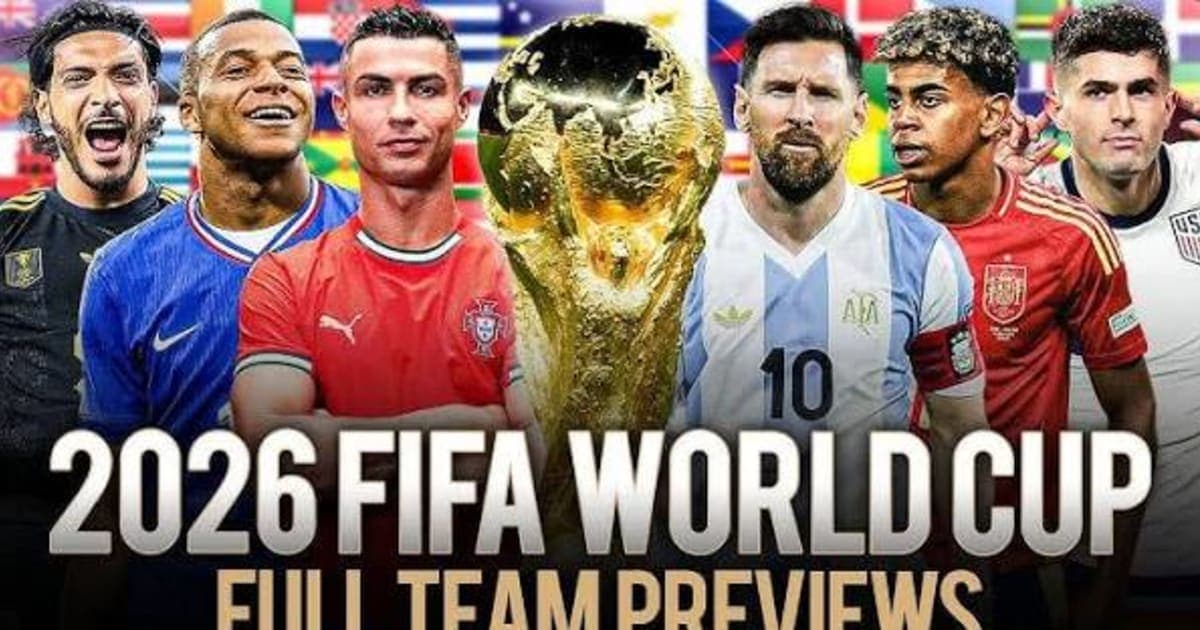
All eyes will be on Argentina captain Lionel Messi, who at 38 is seeking to lead his country to back-to-back World Cup triumphs and further cement his legacy as one of football’s greatest players. Portugal’s Cristiano Ronaldo, now 41, will also be aiming to guide his nation to its first-ever World Cup title, while England hope Harry Kane can inspire them to end a 60-year wait for another major international trophy.
Despite the anticipation, the build-up to the tournament has been overshadowed by criticism over the cost of attending matches. FIFA has faced backlash after ticket prices reached unprecedented levels, with the most expensive seat for the 2026 final selling for nearly $33,000 compared to around $1,600 for the 2022 World Cup final.
The steep pricing has sparked frustration among supporters worldwide and even drew criticism from United States President Donald Trump, who publicly remarked that he would not pay the reported $1,000 asking price for tickets to the USA’s opening match against Paraguay.
Beyond affordability concerns, the political environment in the United States has also generated debate. Human rights groups have warned that immigration policies and restrictions on demonstrations could affect the atmosphere surrounding the tournament.
On the sporting front, the expanded 48-team format introduces a significantly different competition structure. A total of 72 group-stage matches will eliminate only 12 teams before 32 nations progress to the knockout rounds, with the top two teams from each group and the eight best third-placed sides advancing.
As the world’s biggest sporting event begins, FIFA hopes the drama on the pitch will eclipse the controversies off it, with fans across the globe set to witness a historic tournament that promises new records, fresh innovations and unforgettable moments.