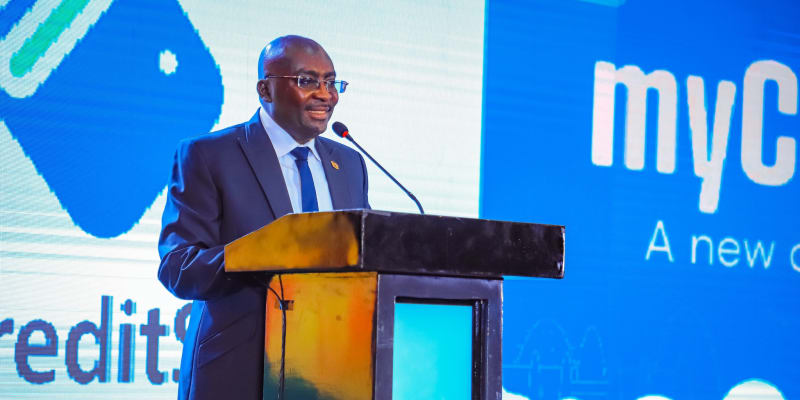
The Minister for Health, Kwabena Mintah Akandoh, has disclosed that the government is considering reducing admissions into health training institutions as part of efforts to address the growing employment backlog in the country’s health sector.
According to the minister, the current number of students admitted annually into nursing and other health training colleges far exceeds the capacity of the government to absorb graduates into the workforce, creating a persistent challenge of unemployment among trained health professionals.
Speaking at the Volta Regional launch of the Free Primary Healthcare Policy in Ho, Mr. Akandoh said the government is reviewing the admission quota for health training institutions to better align graduate output with available employment opportunities.
“We must start analysing our admissions into nursing training colleges. What’s the point of training more if we cannot recruit them? On average, they admit between 34,000 and 35,000 students every year. However, the absorption rate is not proportional to the admissions. So, the government is reviewing that,” he stated.
The Health Minister indicated that reducing admissions could also free up financial resources that could be redirected towards improving healthcare infrastructure and equipment across the country.
“But it’s up to all of us. Whether to continue on this path or to reduce that quota and invest in equipment. Then we can include more people. This is something for all of us to consider,” he added.
The proposal comes amid growing concerns over the increasing number of unemployed nurses and other health professionals despite significant investments in training institutions over the years.
Meanwhile, the Volta Regional Minister, James Gunu, called for collective action to ensure the successful implementation of the government’s Free Primary Healthcare Policy, stressing that improved healthcare delivery requires collaboration among all stakeholders.
“Through the implementation of the primary healthcare strategy, we aim to improve health outcomes, reduce inequalities in access to healthcare services, and move steadily towards achieving universal health coverage,” Mr. Gunu said.
He further emphasised that the policy’s success would depend on a whole-of-society approach involving government agencies, communities, development partners and citizens.
“The successful implementation of primary healthcare requires shared responsibility, strong partnerships and active community involvement. Together, we can build a healthier Volta Region where every citizen has the opportunity to lead a productive and fulfilling life,” he noted.
The Free Primary Healthcare Policy, which currently covers services provided at Community-based Health Planning and Services (CHPS) compounds and health centres, is being piloted in 150 districts nationwide, with five districts in the Volta Region selected as beneficiaries.
As part of the launch, Mr. Akandoh presented medical equipment, tricycles and bicycles for distribution to the five participating districts to strengthen healthcare delivery and improve access to essential services at the community level.
The government’s proposed review of admissions into health training institutions is expected to spark nationwide debate, as policymakers seek to balance the need for producing qualified healthcare professionals with the realities of employment opportunities and resource allocation within the sector.