The Government of Ghana is set to raise GH¢8.26 billion through treasury bills today, March 14, 2025, as it seeks to roll over GH¢7.91 billion in maturing bills.
More from Business

Business
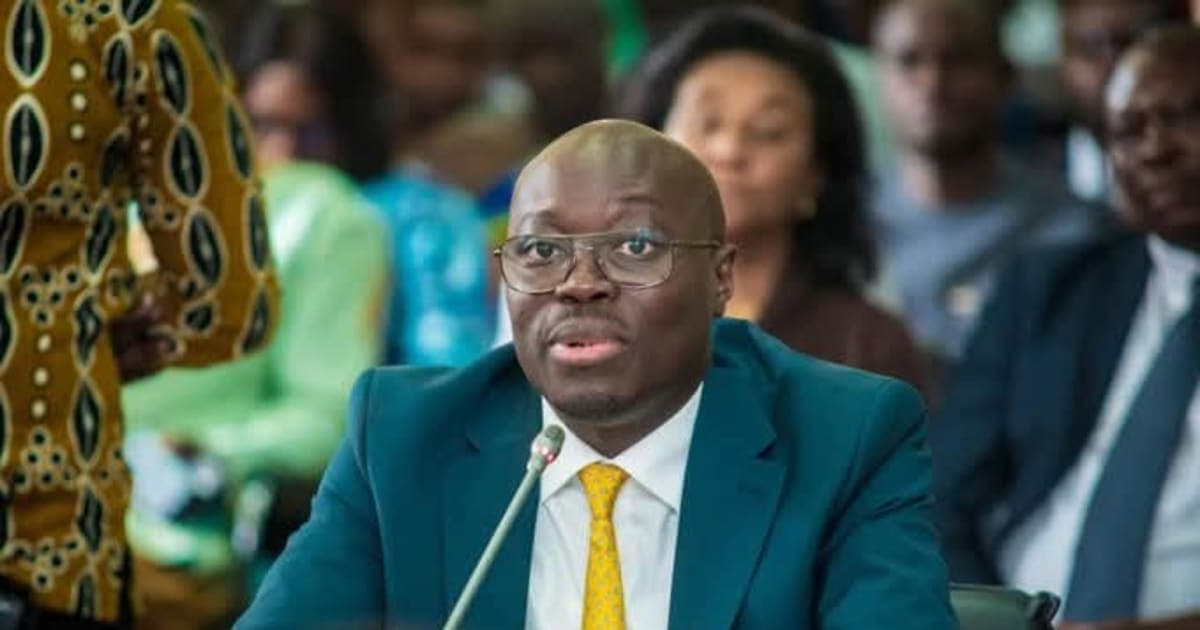
Minority Exposé Forces BoG to Admit GH¢34.9bn Loss
Ghana’s central bank, the Bank of Ghana (BoG), has acknowledged a comprehensive loss of GH¢34.9 billion, following an exposé by the Minority caucus in…
· Kelvin Yiadom
Business
Austerity Gets The Praise, Ghanaians Feel The Pain - Prof. Bokpin On FITCH Boost
Professor of Finance and Economics at the University of Ghana, Godfred Bokpin, has cautioned that Ghana’s recent improvement in credit ratings reflects tough…
· Kelvin Yiadom

Business
‘If You Have Nothing to Hide, Face Parliament!’…. Oppong Nkrumah Dares Sammy Gyamfi Over BoG Losses
A sharp political and economic dispute has erupted between the Minority New Patriotic Party (NPP) and the governing National Democratic Congress (NDC) over the…
· Kelvin Yiadom
Business
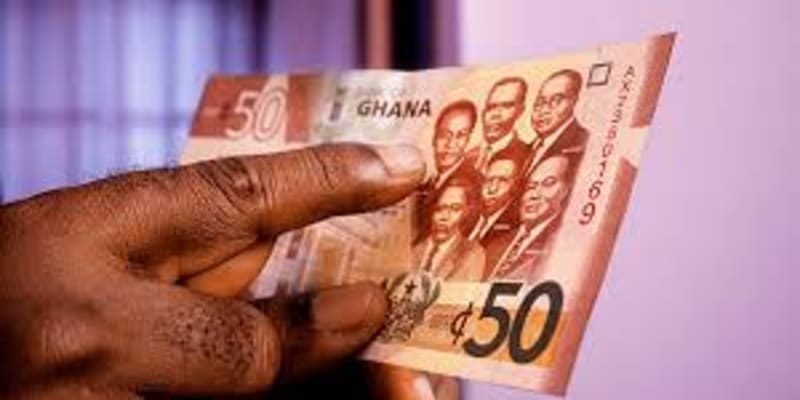
Cedi Becomes Worst-Performing Currency In Sub-Saharan Africa
Ghana’s local currency, the cedi, has extended its decline in 2026, emerging as the worst-performing currency in sub-Saharan Africa and one of the weakest on…
· Kelvin Yiadom
Business
Banks May Reject Forex Deposits From Next Month.. Dr Gideon Boako warns
Gideon Boako, the Deputy Ranking Member on Parliament’s Finance Committee, has warned that some commercial banks in Ghana may soon begin rejecting certain…
· Kelvin Yiadom
Business
24-Hour Economy risks becoming ‘another slogan’ – GNCCI warns
The Chief Executive Officer of the Ghana National Chamber of Commerce and Industry, Mark Badu Aboagye, has raised red flags over the viability of the…
· Kelvin Yiadom

Business
APL Launches Governance, Wellbeing Tracking Tools to Gauge Citizen Experience in Ghana
A policy think tank, Africa Policy Lens (APL), has unveiled two national tracking tools aimed at assessing governance performance and the economic realities of…
· Kelvin Yiadom
Business
Ato Forson begs IMF for cashless BailOut
The Government of Ghana has officially exited its financial bailout programme with the International Monetary Fund after successfully completing the Extended…
· Kelvin Yiadom